
Our Projects and Activities
Associazione “Cultura e Territorio” (ACT)
Associazione Cultura e Territorio (ACT) is a nonprofit organization dedicated to the research, protection, documentation, and public interpretation of archaeological and cultural heritage, with a particular focus on southern Tuscany and the areas of Maremma, Mount Amiata, and the Fiora Valley.
Our work is based on the principle that archaeological research cannot be separated from the landscape in which it takes place. An archaeological site is not an isolated entity, but part of a complex historical landscape shaped over time by the interaction between human communities, the environment, natural resources, infrastructure, and the organization of space.
For this reason, ACT integrates scientific research, heritage protection, education, and public outreach, developing projects that contribute simultaneously to archaeological knowledge, the preservation of cultural heritage, and a deeper understanding of the history of the regions in which we work.
Our Approach
ACT follows an interdisciplinary, multi-scale approach that connects the investigation of individual archaeological sites with the study of the surrounding landscape.
Whenever appropriate, stratigraphic excavation is integrated with archaeological survey, archaeology of architecture, topographic analysis, the study of historical and cartographic sources, Geographic Information Systems (GIS), and digital documentation techniques.
Particular attention is given to survey and analytical technologies—including GIS, GNSS, photogrammetry, laser scanning, 3D modeling, remote sensing, and non-invasive prospection—as complementary components of a single research strategy.
Each technology is selected according to the archaeological question being addressed and is integrated with direct observation, stratigraphic analysis, traditional documentation, and historical interpretation.
The same principle guides our work in heritage protection. Understanding a landscape also means recognizing the changes that may affect its archaeological heritage and developing the tools needed to document, assess, and protect it.
Areas of Activity
ACT’s work focuses primarily on several closely interconnected areas.
Archaeological Excavation and Site Research
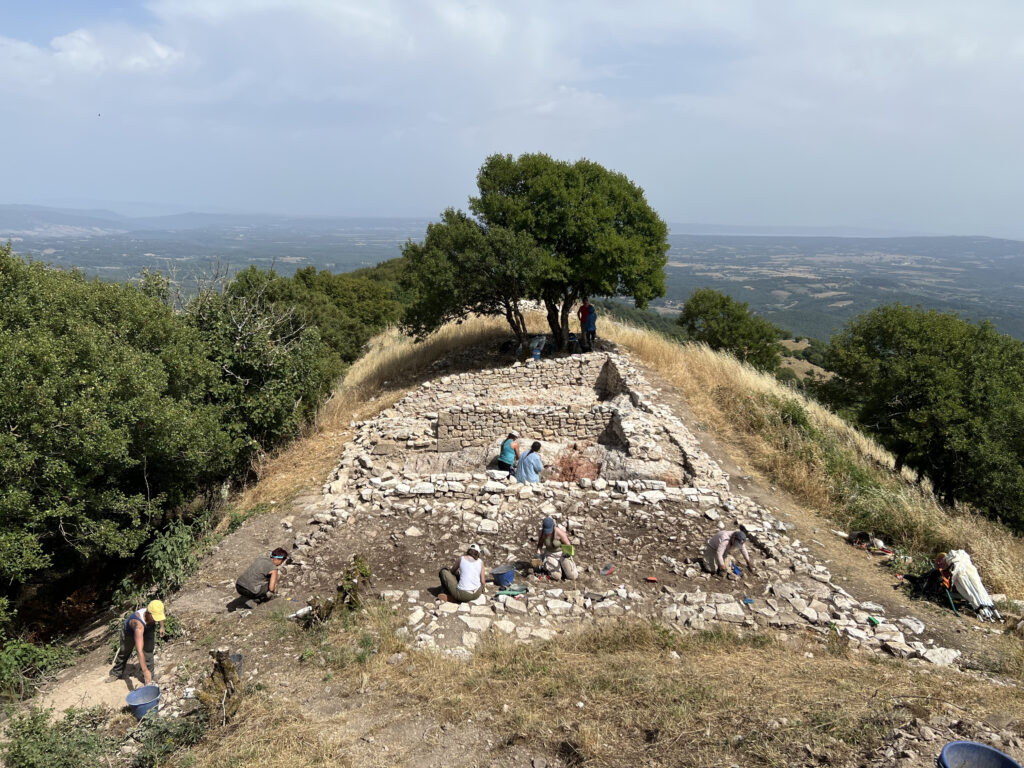
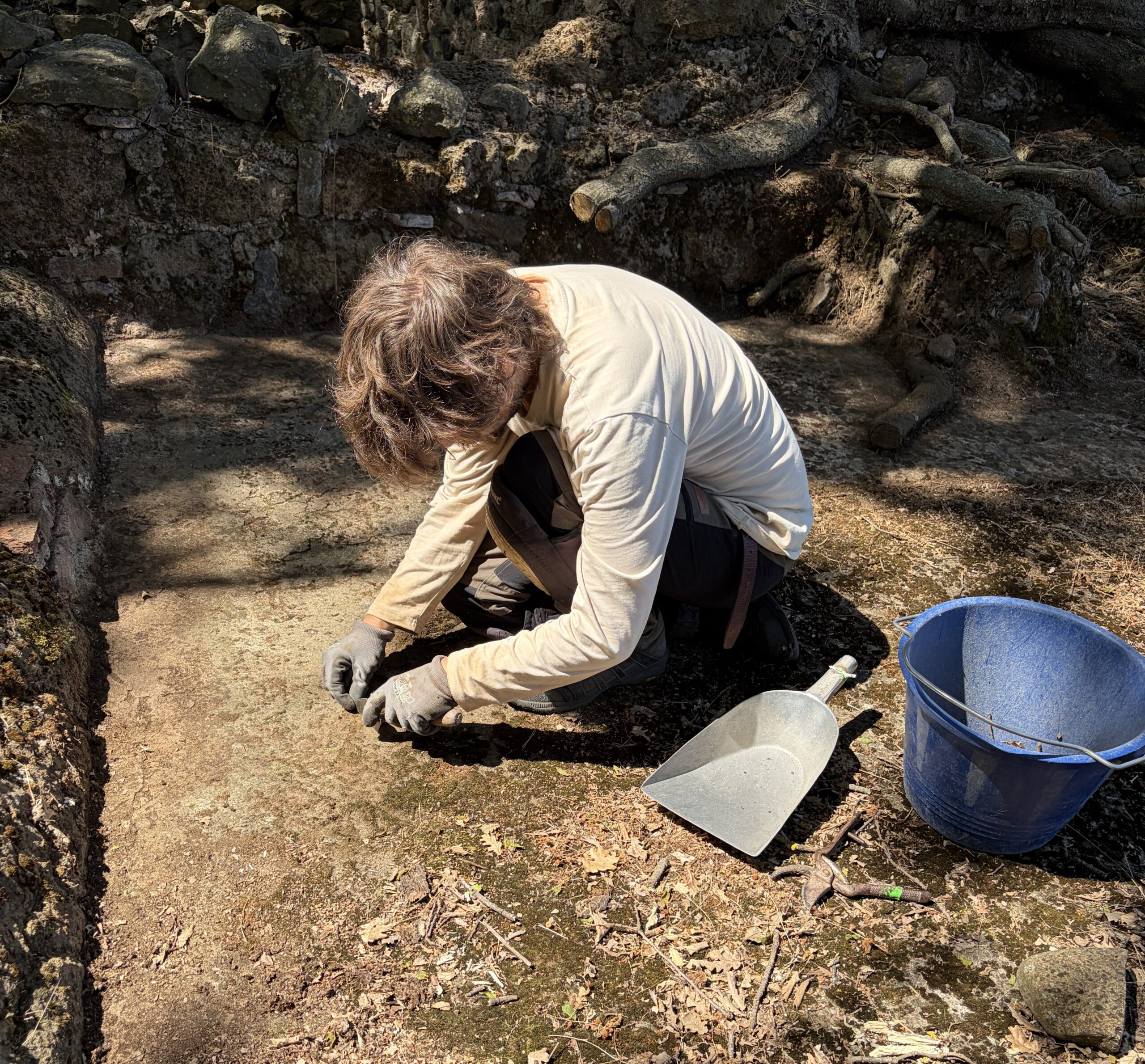
We investigate archaeological sites through stratigraphic methods and integrated documentation systems. Excavation allows us to reconstruct settlement sequences, architectural transformations, economic activities, and past ways of life, while always interpreting them within their broader historical and territorial context.
Landscape Archaeology and Archaeological Survey
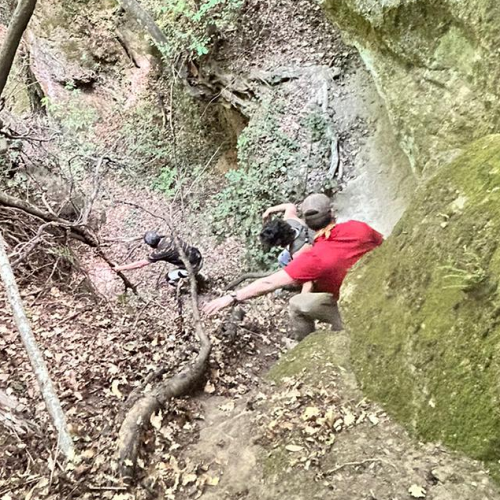
We study the distribution of settlements, infrastructure, production areas, and traces of past land use. Archaeological survey makes it possible to investigate processes that cannot be understood through the study of a single site alone. It is also an essential tool for identifying archaeological resources and supporting the long-term protection of cultural landscapes.
Archaeology of Architecture
We analyze historic buildings, fortifications, and other structures as stratified archaeological evidence. Masonry techniques, stratigraphic relationships, changes in the organization of space, and construction systems allow us to reconstruct the history of buildings and the communities that created and used them.
Digital Documentation and Computational Archaeology
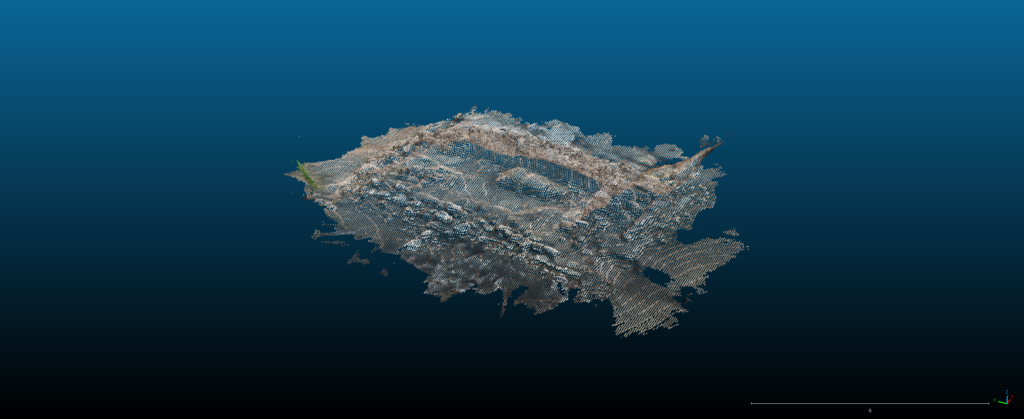
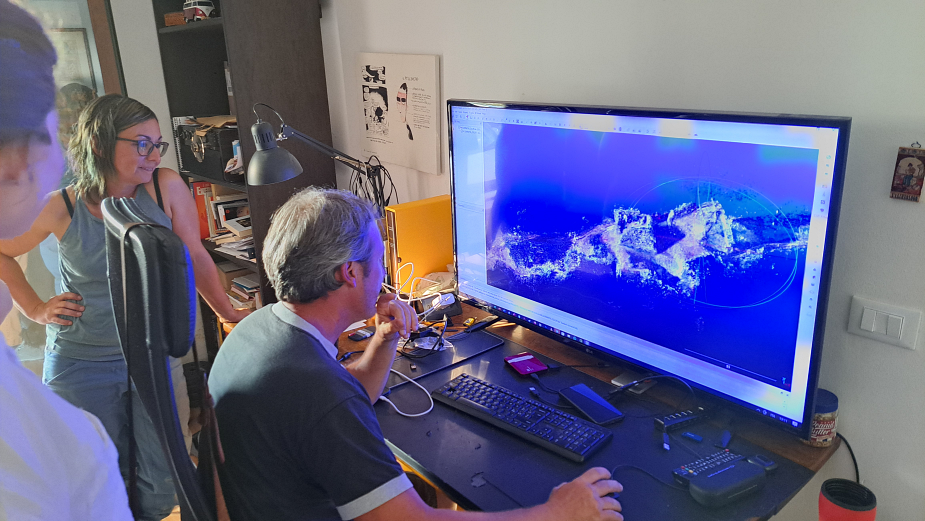
GIS, photogrammetry, laser scanning, 3D modeling, and archaeological data-management systems are integral components of our projects. These tools allow us to document cultural heritage accurately, integrate information from different sources, and create digital records that support research, conservation, and public communication.
Archaeological Prospection and Non-Invasive Methods
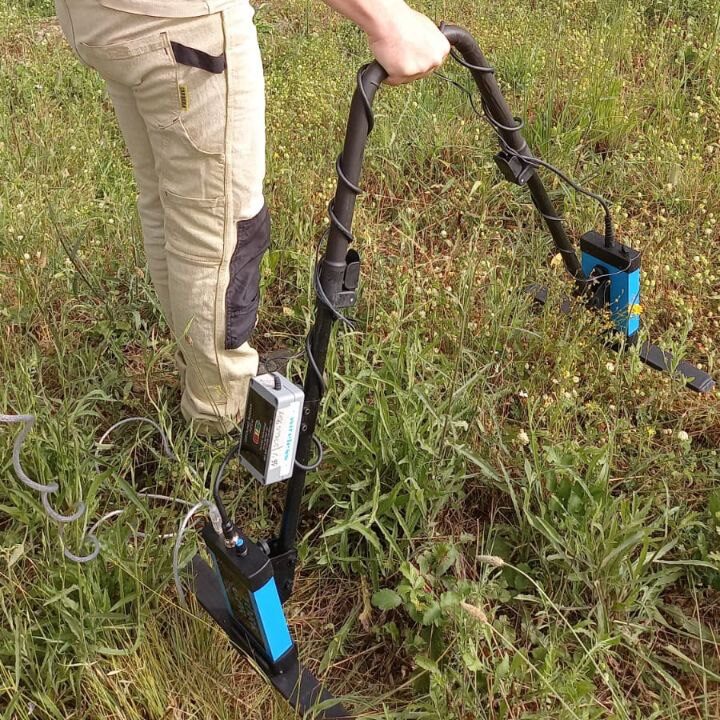
Where conditions allow, we integrate archaeological research with geophysical survey, remote sensing, and other non-destructive investigative techniques. These methods can expand our understanding of the subsurface and the wider landscape while reducing the impact of archaeological intervention and helping to guide any subsequent investigations.
Heritage Protection and Preventive Archaeology
The knowledge generated through research is also used to identify and assess areas of archaeological interest, evaluate the potential effects of changes to the landscape, and contribute to heritage preservation. Research and protection are considered part of the same process: effective protection depends on reliable knowledge.
Education and Public Archaeology
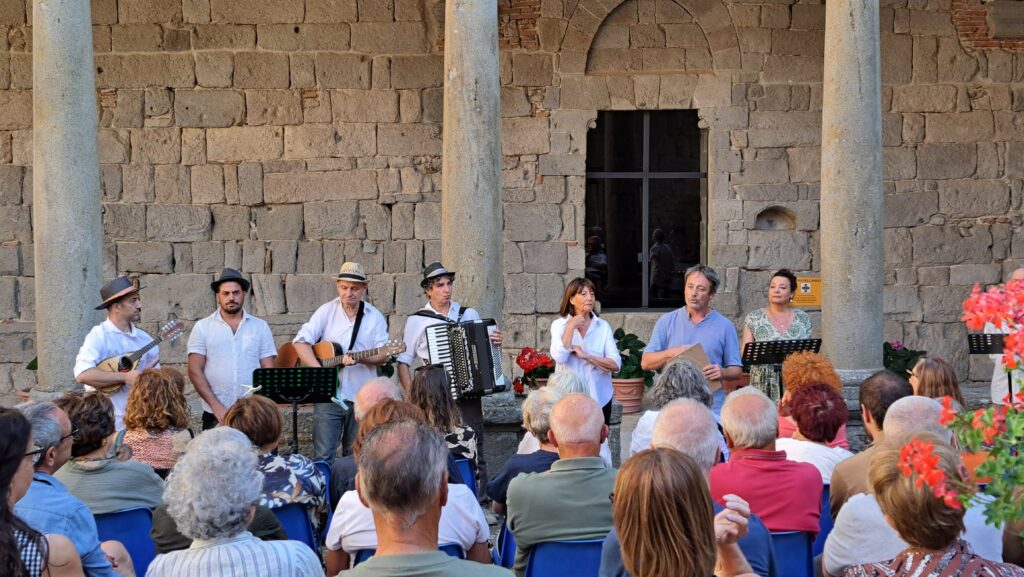
ACT considers the transmission and sharing of archaeological knowledge and professional skills to be essential components of research. Through educational programs, field schools, public events, and outreach initiatives, we work to make archaeological methods and results accessible to both students and local communities.
Our scientific projects are directed by archaeologists holding Italy’s highest professional qualification, while field training is entrusted to highly qualified tutors holding at least the second-tier professional qualification. This structure maintains a direct connection between research, teaching, and professional practice, while ensuring that students receive their training within active archaeological research projects.
PROJECTS
Rocca Tédula
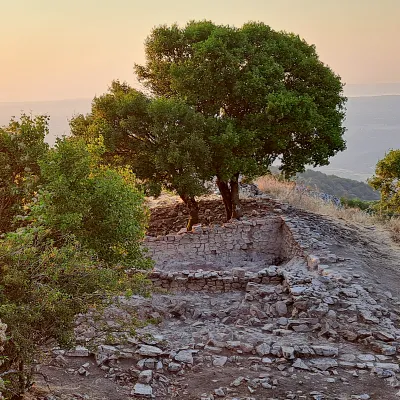
A medieval fortified settlement overlooking the Fiora Valley, Rocca Tédula combines castle architecture, a surrounding village, and a complex history extending from the 12th to the 17th century. Archaeological investigation began in 2025 and is now revealing the organization, development, and eventual abandonment of a site long known only through its standing ruins and historical records.
The Stone and the River
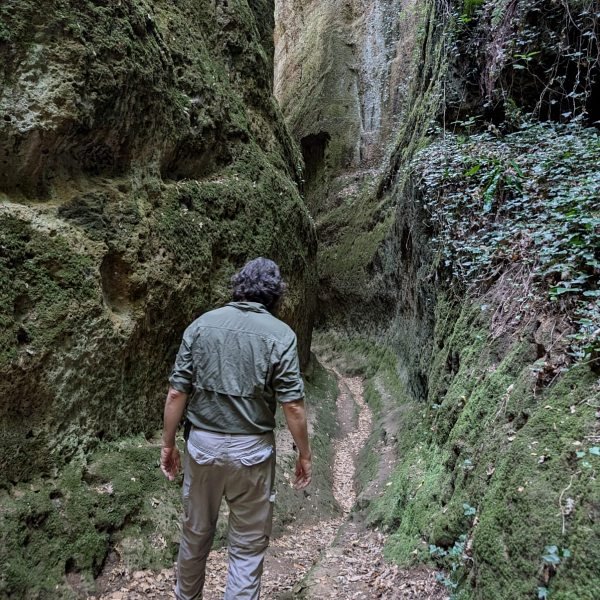
A landscape archaeology project focused on the Fiora River valley and its long-term settlement history. Through systematic survey, GIS, remote sensing, and field documentation, the project identifies, maps, and studies archaeological sites and features ranging from rock shelters and necropolises to castles, roads, quarries, caves, and rock-cut installations, reconstructing how communities used and transformed the landscape over time.
“la Biagiola”
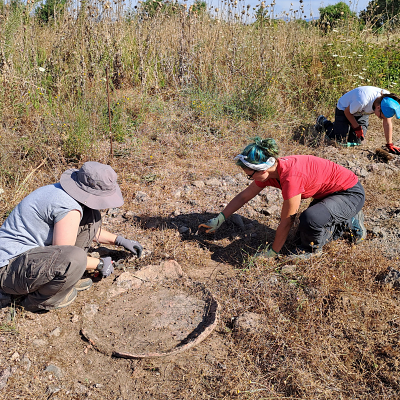
A long-lived archaeological site preserving evidence from the Protohistoric, Etruscan, Roman, and early medieval periods. Excavations have revealed standing structures, baths, cocciopesto floors, facilities for wine and oil production, and a medieval cemetery, offering an unusually rich record of how the site was occupied, adapted, and reused over time.
ArcheoAmiata
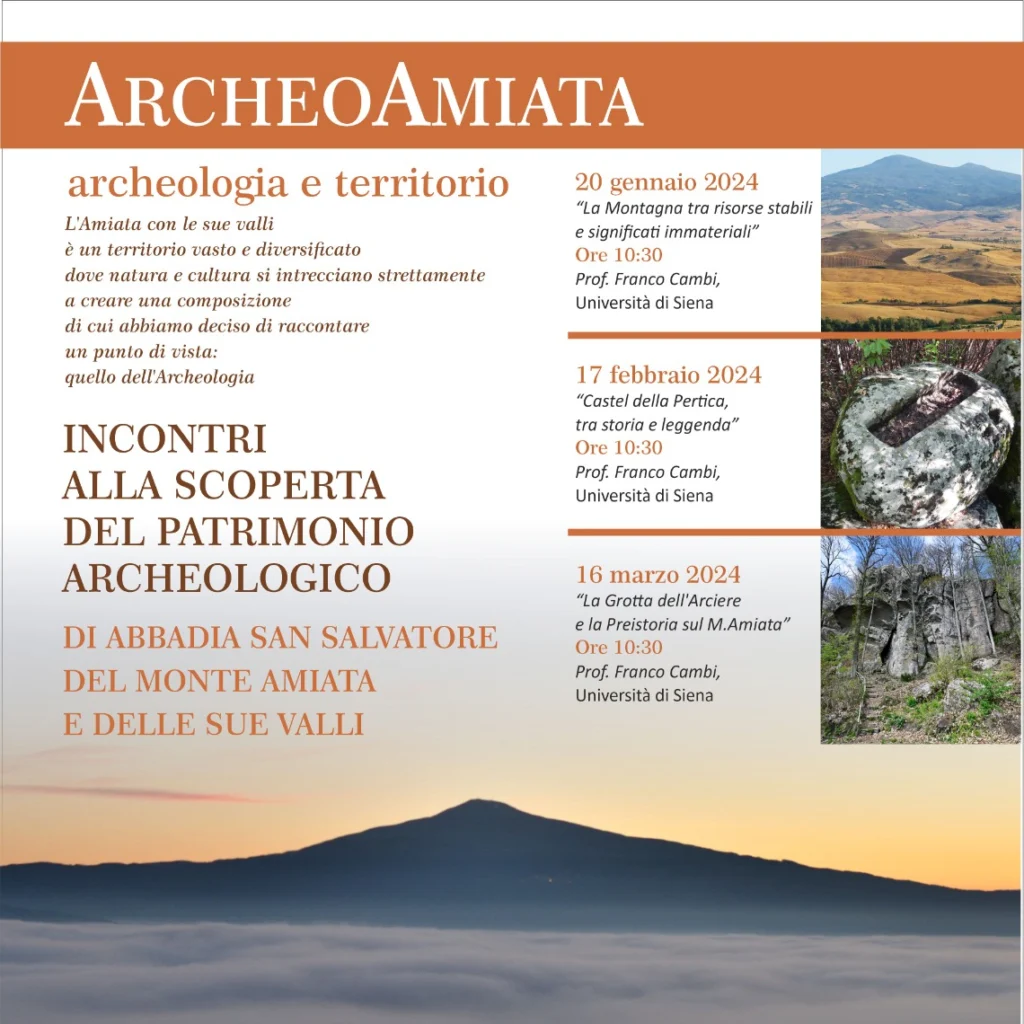
A public archaeology and citizen-science project exploring the long-term history of Mount Amiata and its surrounding valleys. Through lectures, field visits, and collaboration with local communities, ArcheoAmiata brings archaeological research into dialogue with local knowledge, questions, and perspectives.
Città del Tufo Archaeological Park
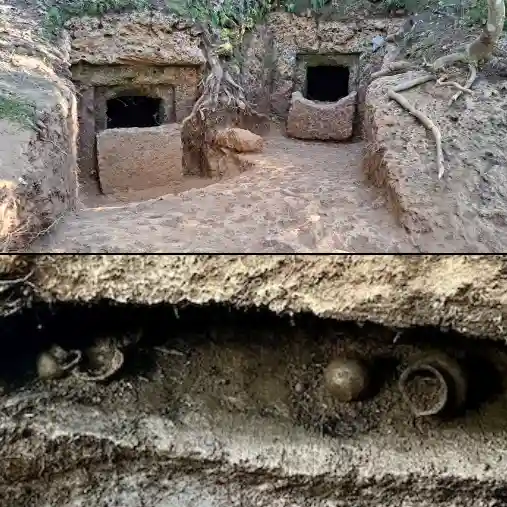
A long-term collaboration focused on the study, preservation, and public presentation of Sovana’s extensive Etruscan necropolis. ACT contributes archaeological fieldwork, documentation, and research to the investigation of tombs and funerary landscapes within the park, bringing new evidence to both scholarly research and public interpretation.
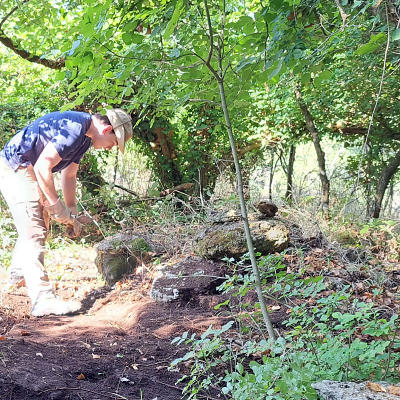
Unexpected Sites and Emergency Archaeology
Archaeological survey often leads to discoveries that require further investigation, or reveals vulnerable sites that call for a rapid response. In some cases, local authorities may ask ACT to document, assess, or investigate these situations at short notice. For this reason, B.I.S.A. participants may occasionally work on “bonus sites” that were not part of the original program, gaining direct experience of how archaeological priorities can change in response to new discoveries and urgent conservation needs.
Research, Landscape, and Communities
ACT works primarily through long-term research projects because we believe that meaningful archaeological knowledge of a landscape cannot be built through isolated, short-term investigations alone.
Continuity in research allows us to compare different sites, trace the development of settlement patterns over time, test hypotheses developed during previous field seasons, and progressively build shared tools for understanding the archaeological landscape.
At the same time, archaeological heritage belongs to the places in which it survives and to the communities that live there. For this reason, communicating research results and maintaining a meaningful relationship with the surrounding community are not considered secondary activities, but an integral part of an archaeologist’s professional responsibility.
ACT’s ultimate goal is therefore to produce scientifically reliable knowledge, durable documentation, and practical tools for heritage protection, while contributing to the education of future archaeologists and to a broader awareness of the historical value of the landscapes in which we work.